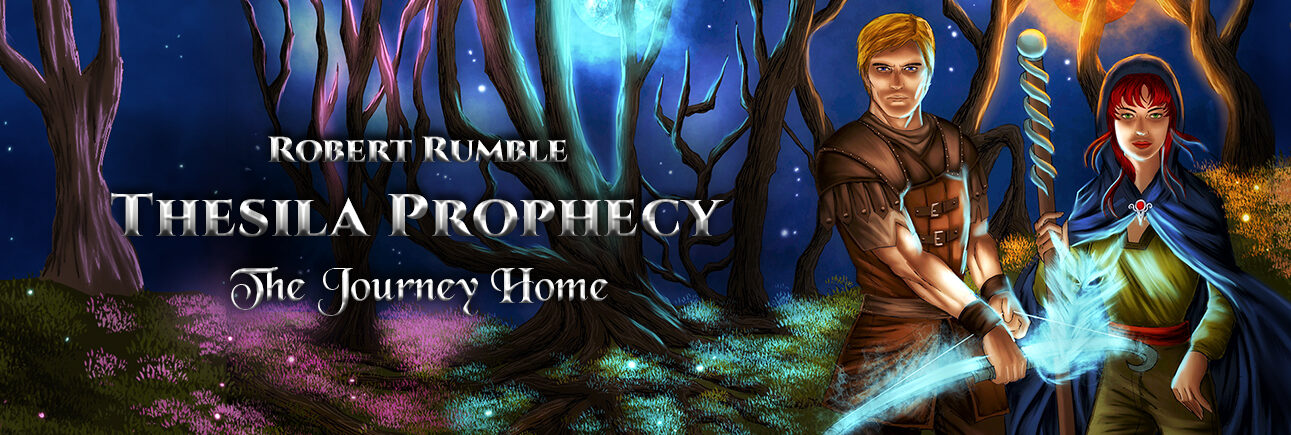
Nationality: American
Languages: English, Kinuar, Thesilan
Age: 25 (appears 26)
Height: Tall-average
Build: Fit
Face: Oval
Eyes: Sky blue
Skin: Beige, slightly pitted
Hair: Dishwater blonde, straight, over the ears, off the collar; parted left and combed back
Distinguishing Features: Pitted skin, striking far-sight
Voice: Loud, clear, confident
Dress: Prefers comfortable, earth-tone clothing; soft green-and-brown leather is a favorite
Jewelry/Accessories: None
PERSONALITY
Mashaun has a kind heart and a slow temper, often choosing silence over argument. To many, he seems stoic—some even call him “a stick in the mud”—for he has little taste for parties or idle talk. Yet beneath that calm is curiosity: a restless mind that drifts from one interest to another, collecting knowledge like stones on a riverbank.
He’s what some call a Renaissance man: equally at home repairing a roof, reading the stars, or navigating by moss and shadow. He dislikes long deliberations, preferring quick, instinctive choices. His confidence outdoors borders on overconfidence, but it’s backed by genuine skill.
Around people—especially women—Mashaun turns shy. Crowds drain him; in a room full of noise, he’s the quiet figure in the corner, studying the exits.
BIOGRAPHY
Mashaun was named after his mother’s great-grandfather, who died before Mashaun’s first birthday. His childhood was a patchwork of small towns until the family settled in the American Northwest, in a meadow ringed by fir and aspen. The nearest town lay thirty minutes away, giving him acres of wilderness to explore.
He was not a scholar, nor fond of teams, but the woods became his classroom. At home, his room is filled with magazines on hiking, bow hunting, and survival. One of his favorite sayings—scrawled on a poster above his desk—read:
“Anyone can start a fire with perfect conditions; it takes a survivalist to start one in the rain.”
When he was sixteen, a neighbor gifted him an old recurve bow found in a barn. Its red-and-cream limbs were dusty but sound. He repaired it, strung it, and soon turned hay bales into archery targets. By spring, he’d built his own range through the woods, targets set between ten and ninety yards apart—up ravines, across hillsides, through trees. By summer, he rarely missed.
At school, when he joined the archery club, his plain bow drew snickers among the compound-bow crowd. He muttered, barely audible:
“Real archers don’t need fancy bows.”
The laughter died fast. Within a week, he stood beside the team’s top archer.
He graduated near the top of the state’s archery rankings and earned a college scholarship. Yet a few years later, without warning, he dropped out and never explained why. Returning home, he worked odd jobs until he found his calling as a wilderness guide. There, he refined his tracking, foraging, and survival craft—skills that would one day save his life in another world.
Then came the wandering star.
THE TURNING
Restless again, Mashaun accepted an unexpected offer to teach English in China. For a few years, he lived comfortably but uneasily—hemmed in by noise, crowds, and concrete. He longed for open skies and solitude.
One blustery winter afternoon, while walking through an outdoor market, an old woman was selling river rocks covered with symbols. She said something in a dialect he didn’t know, as Mashaun bought a rock from her. She bowed and shuffled away.
He had forgotten about the encounter until later, when he felt the weight in his coat pocket: a smooth, palm-sized stone carved with five symbols. When his bare fingers touched it, the glyphs flared with light. That night, he marveled at the stone. placing it down on the nightstand, he swore the room took on an eerie glow right before he went to sleep.